
7 Signs You Might Need Tree Removal
Not all trees are meant to last forever. Whether due to age, damage, disease, or location, there comes a time when tree removal is the safest and most responsible option. At Mo’ Bettah Tree Services, we help Oahu residents make the right call when it comes to their trees—balancing safety, science, and aloha.
Here’s how to tell when it might be time to let go.
1. It’s Dead or Dying
If your tree has lost most of its leaves during the growing season, has brittle or peeling bark, or is showing major trunk decay, it may be beyond saving. Dead trees not only pose a safety risk but can also attract pests and spread disease to nearby plants.
How to Tell if a Tree Is Dead or Dying
Look for these common warning signs:
- No Leaves During Active Growing Season: If it’s summer in Hawaii and the tree is bare while others are thriving, that’s a red flag.
- Dry, Brittle Branches: Snap a small twig, because if it breaks easily and is dry inside, the limb may be dead.
- Peeling or Cracked Bark: Healthy bark should be intact. Large areas of missing or flaking bark can indicate decay underneath.
- Mushrooms or Fungal Growth at the Base: This often means internal rot and a compromised root system.
- Deep Trunk Cracks or Cavities: Structural damage like this makes the tree more likely to fail, especially in storms.
- No Green Layer Beneath the Bark: Scratch a twig or branch with a knife or fingernail. If there’s no green layer (called the cambium), the limb is likely dead.
If you’re unsure, don’t guess. It may be best to have a certified arborist inspect it. Sometimes a tree that looks rough can bounce back with the right care. Other times, it’s safer and more cost-effective to remove it.
2. It’s Leaning Suddenly or Severely
Not all leaning trees are hazardous, but a new or worsening lean, especially after a storm, can signal root failure or structural instability.
3. Root Damage or Uplift
Exposed roots, soft soil around the base, or visible heaving can be signs the tree’s foundation is compromised. This is especially common in Oahu after heavy rains or high winds.
4. Storm Damage
Hurricanes and tropical storms can crack limbs, split trunks, or topple trees outright. Even if the damage isn’t immediately obvious, a certified arborist can detect hidden risks.
5. It’s Causing Property Damage
Roots interfering with plumbing or foundations, limbs scraping rooftops, or branches hanging over driveways are all red flags.
6. Pest or Disease Infestation
Certain pests—like the Coconut Rhinoceros Beetle (CRB)—can do irreversible harm to palms and other tropical trees. Fungal infections, wood borers, or extensive dieback may also warrant removal. Learn more about CRB and its impact on Oahu’s trees from the Hawaii Department of Agriculture.
7. It’s in the Wrong Place
Sometimes a healthy tree simply doesn’t belong, whether it’s growing too close to a building, blocking sunlight, or interfering with future construction plans.
Why Tree Removal Is Not a DIY Job
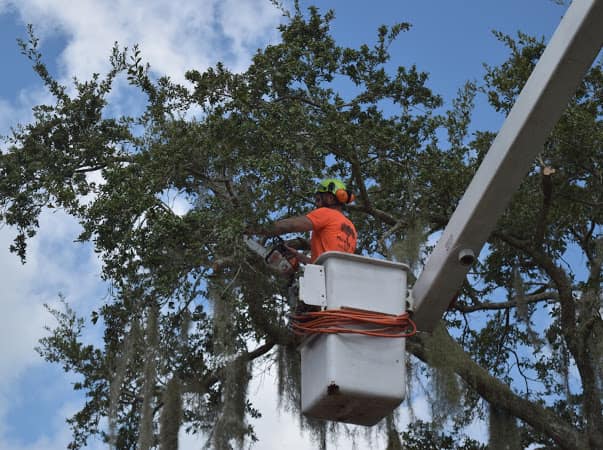
Tree removal, especially in Hawaii’s tight spaces or on sloped terrain, is dangerous without the right equipment and training. At Mo’ Bettah Tree Services, we handle removals with safety and precision—using modern gear, crane-assisted options, and over 15 years of hands-on experience.
It’s not harder—it’s just Mo’ Bettah to know what you’re doing.
Not Sure? Ask Our Certified Arborist
We don’t recommend removal unless it’s truly the best solution. Our ISA Certified Arborist offers professional consultations, tree risk assessments, and honest advice—so you can make an informed decision with confidence.
Schedule a Tree Inspection Today
If you’re concerned about a tree on your property, don’t wait for it to become a hazard. Contact Mo’ Bettah Tree Services for a tree inspection or removal quote. We’ll help you protect your home, your landscape, and your peace of mind.